
A tale of uncertainty, responsibility, and why planning removed the chaos for me at a sad time.
I remember that initial phone call from my sister very clearly. Dad was eighty-eight and living alone on a smallholding outside town. When news of death arrives from far away, the mind races through possibilities. My first thoughts were not calm ones. Crime had become more common in the area, and it was easy to imagine something terrible had happened.
A good friend of ours who lived nearby agreed to go and check on things for us. Later that night he called back with some reassurance. It appeared that Dad had died peacefully in his sleep.
Even so, the shock was real.
I booked the first flight I could. My sister had already started the long drive to the property, and by the next evening we were both there, beginning the difficult process that follows any death in the family.
None of us really know what will happen in those first few days. There are practical things to do, people to call, arrangements to make. Grief sits quietly in the background while life insists on moving forward.
Dad had been to see his doctor the day before he died. He had collected some medication, taken a tablet that evening, and never woke up. The doctor signed the death certificate. On paper it all seemed straightforward, but death rarely feels straightforward to the people left behind.
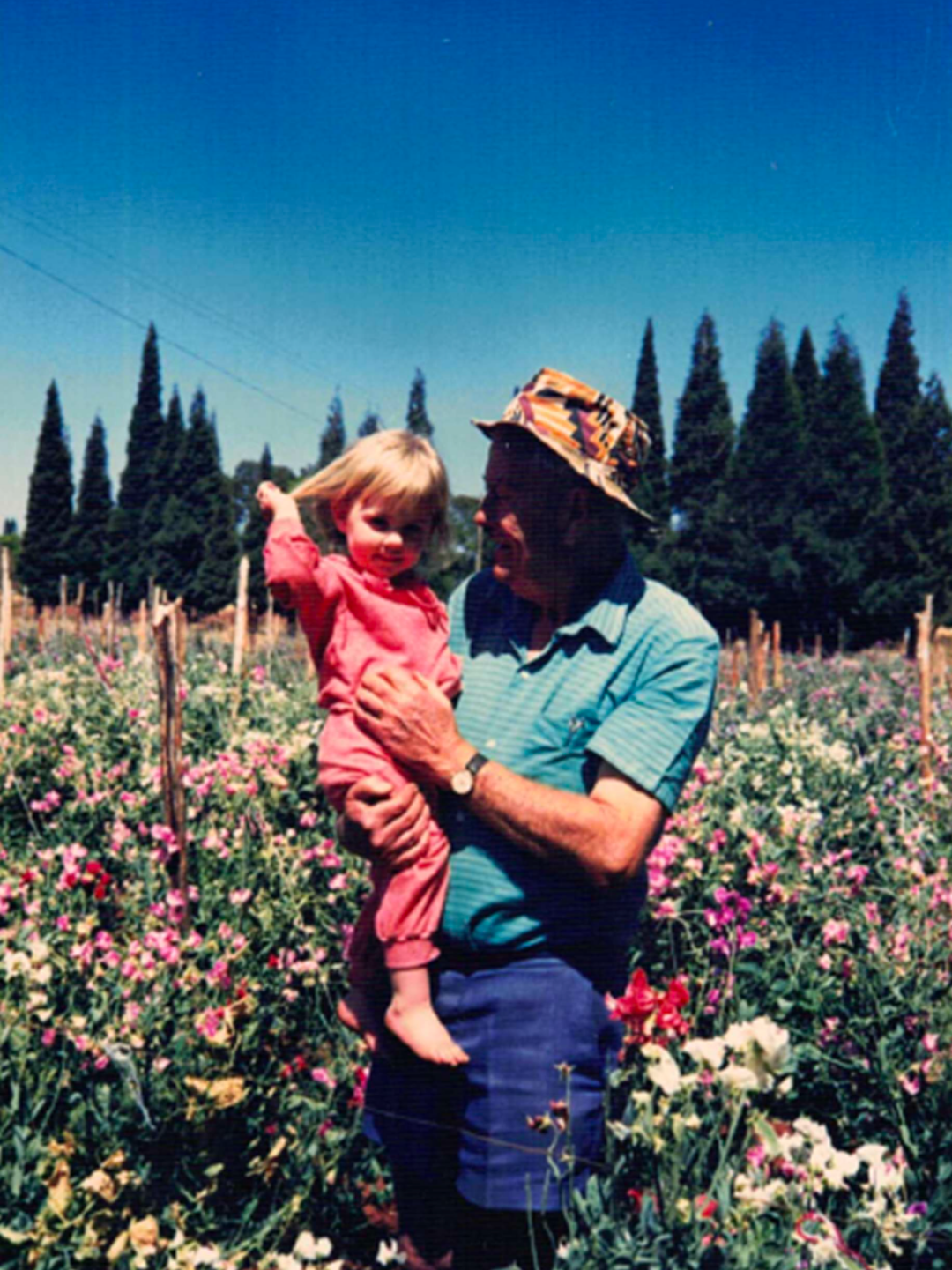
The smallholding itself had been part of our lives for many years. It was a beautiful place — fields of vegetables and flower crops that created swathes of colour across the property. Travellers passing along the nearby road would sometimes stop simply to admire the view.
Because my sister and I were living in Australia, Dad had relied on a local farm hand to help with the day-to-day running of the property. That arrangement worked well enough while he was alive.
But once he died, things quickly became less certain.
Stories began to circulate about cash that might have been kept on the property. The farm hand made suggestions that Dad had promised him things. There were rumours and assumptions about what might happen next.
It was a reminder of how quickly uncertainty can appear when someone dies.
When families are grieving, misunderstandings can grow easily. People remember conversations differently. Some believe promises were made. Others feel entitled to things that were never formally agreed.
These situations can become complicated very quickly.
Fortunately, in our case, there was a small measure of clarity.
After the funeral we found a hidden drawer at the bottom of Dad’s bed. Inside it were a few personal papers and what could only be described as a “just in case” letter.
And there was a will.
It was not a long document. In fact, it was only a single page. But that one page changed everything.
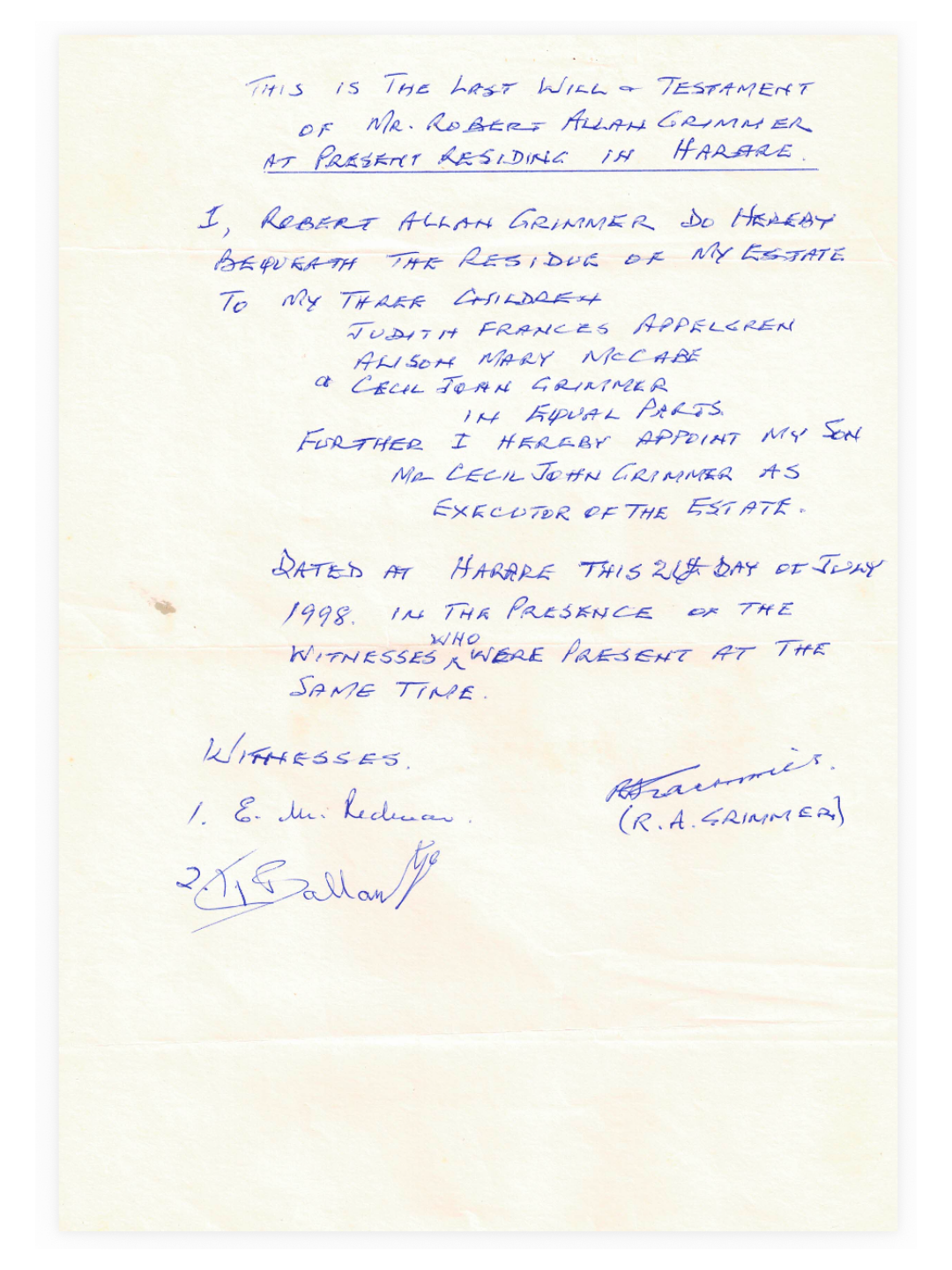
It confirmed Dad’s intentions clearly. It identified who should manage his affairs and what should happen to his property. There was no ambiguity about his wishes.
In the middle of grief and uncertainty, that clarity was an enormous relief.
The will did not remove the sadness of losing a parent. Nothing could do that. But it removed confusion.
It meant that decisions did not have to be argued about or guessed at. It meant the legal process could proceed with direction instead of speculation.
Most importantly, it reduced the risk of conflict.
Looking back now, I sometimes think about what might have happened if that will had not existed.
Without a will, the law decides how an estate is managed and distributed. Courts must appoint someone to administer the estate. Assets are divided according to statutory rules rather than personal wishes.
That process can take longer. It can cost more. And it may not reflect what the person who died actually wanted.
In situations where there are properties, businesses, or extended family members involved, the uncertainty can become even greater.
In our case, there were already people forming assumptions about what they believed might happen. If there had been no will to clarify matters, the situation could easily have become far more difficult.
Instead, we had a document that answered the most important questions.
Who would manage the estate, what would happen to the property, and how Dad intended things to be handled.
It was a simple act of planning that saved us from a great deal of potential confusion.
Over the years since then, I have heard many stories about families facing very different outcomes — disputes, delays, and unnecessary stress caused simply because someone had not taken the time to formalise their wishes.
Most people do not avoid making a will because they do not care. They avoid it because life is busy. It is easy to believe there will always be time later.
But death has a way of ignoring our schedules.
My father’s one-page will was not complicated. It did not require elaborate structures or complex legal arrangements. It simply provided clarity.
And that clarity made a difficult time far easier than it might otherwise have been.
When someone dies, their family already carries enough emotional weight. The last thing they need is uncertainty about what should happen next.
That is why estate planning matters.
Not because we like to think about death — but because we care about the people who will have to deal with the consequences when we are gone.
~ Cecil Grimmer